Spinal Cord Stimulation

An implanted device for chronic nerve pain

Spinal cord stimulation uses a small implanted device to deliver electrical pulses that interrupt pain signals before they reach the brain, reserved for chronic pain that has not responded to other treatments. Same-day or next-week evaluations across eight LA-area offices.

Spinal Cord Stimulation performed by LAOSS specialists in Los Angeles: minimally invasive image-guided orthopedic procedure

See a specialist this week

Board-certified surgeons and podiatrists across eight Los Angeles area neighborhoods.

Book a visitOr call (323) 264-7600

Key takeaways

  • Spinal Cord Stimulation is part of the full diagnostic and treatment toolkit our LAOSS specialists use every day.
  • Spinal cord stimulation uses a small implanted device to deliver electrical pulses that interrupt pain signals before they reach the brain, reserved for chronic pain that has not responded to other treatments.
  • Most patients improve when treatment starts early and is matched to the actual diagnosis.
  • Same-day appointments available across eight Los Angeles-area offices.

About spinal cord stimulation

Spinal Cord Stimulation is part of the spine & neck care we offer at LAOSS. Below, we walk through the anatomy involved, who benefits from this procedure, what it looks like at our clinics, and the recovery and risk considerations to weigh.

Our specialists move stepwise: start with the least-invasive option that fits, escalate only when it doesn't.

Watch: Spinal Cord Stimulator Implant

Spinal cord stimulation (also called SCS) uses electrical impulses to relieve chronic pain of the back, arms and legs. It is believed that electrical pulses prevent pain signals from being received by the brain. SCS candidates include people who suffer from neuropathic pain and for whom conservative treatments have failed.

Animations licensed from ViewMedica · Swarm Interactive
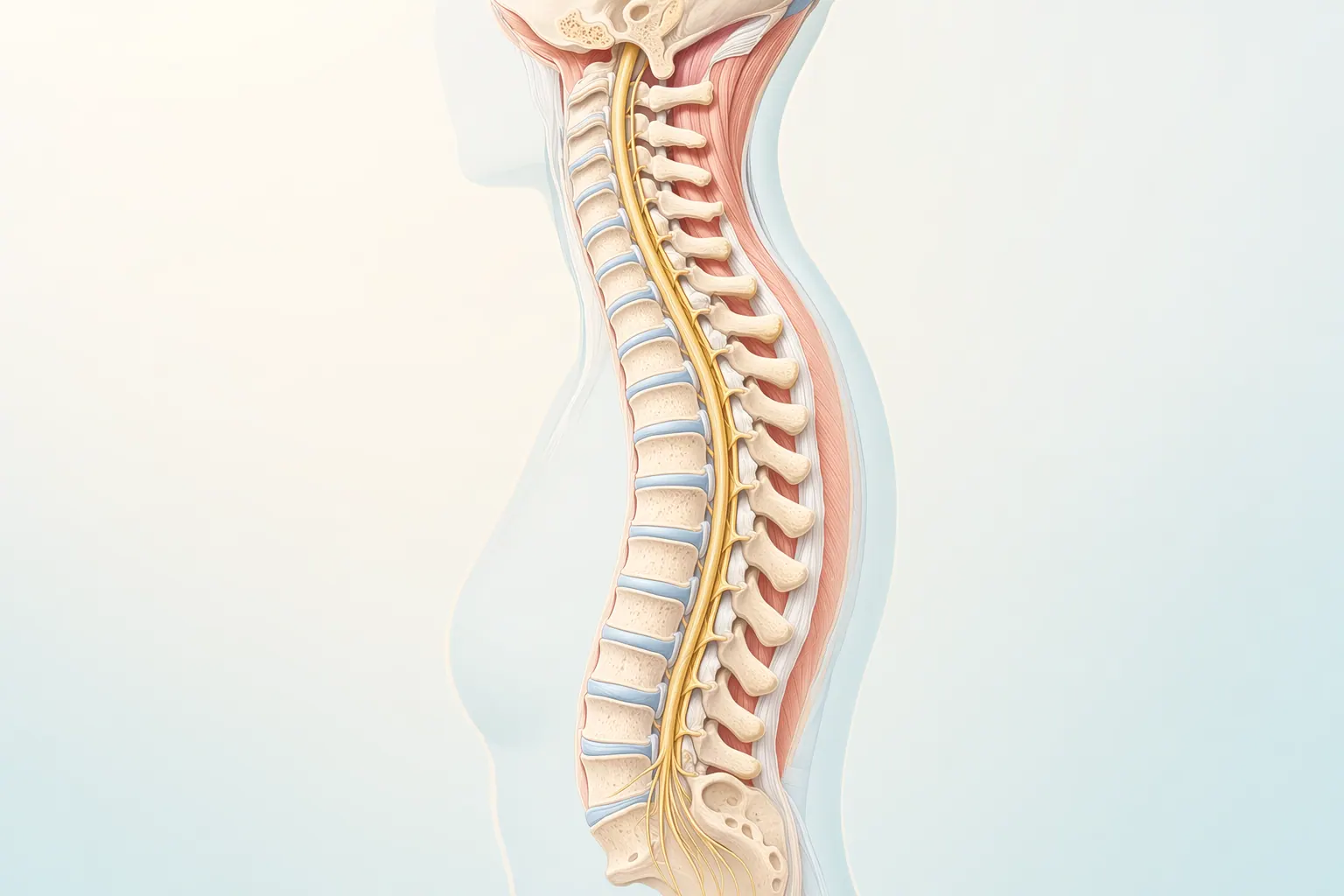
Anatomical illustration of the spine showing vertebrae, intervertebral discs, and spinal cord
Anatomy of the spine: vertebrae, discs, spinal cord, and nerve roots.

Inside the spine & neck.

The spine has 33 vertebrae stacked in five regions. Discs cushion them; the spinal cord and nerve roots run through the canal.

When spinal cord stimulation is the right call.

Common symptoms

  • Chronic nerve-related back, leg, or arm pain that has not responded to other treatments
  • Imaging showing no problem that further surgery is likely to fix
  • A stimulator trial that produced meaningful relief
  • Patients trying to avoid or delay surgery
  • Failed prior non-surgical attempts

Common causes

  • Adults with chronic nerve pain, often after spine surgery
  • Patients whose imaging and exam point to a clear structural source
  • Patients who can't have or want to avoid further spine surgery

What spinal cord stimulation looks like

Most spinal cord stimulation procedures are done as outpatient cases. You arrive, get prepped, the procedure itself takes a defined window, and you go home the same day with clear post-procedure instructions and a follow-up scheduled.

Here's what you can expect:

  • Pre-procedure visit: we review your imaging, confirm candidacy, and answer every question
  • Trial first: temporary leads are placed through a needle under X-ray guidance, and you test the stimulation at home before deciding on a permanent implant
  • Implant procedure: if the trial gives meaningful relief, permanent leads are placed near the spinal cord and a small battery is placed under the skin, with sedation or general anesthesia
  • Same-day discharge: most patients go home the same day, with someone to drive them
  • Follow-up: scheduled to track relief, adjust the plan, and decide on next steps

Spine & neck care, conservative-first.

We start with the least-invasive option that fits, and escalate only when it doesn't.

Conservative care
Step 1

Conservative care first

Non-surgical options designed to relieve pain, restore movement, and avoid the OR when possible.

  • Physical therapy and a guided exercise program
  • Nerve-pain medication, as your doctor advises
  • Epidural steroid injections or nerve blocks
  • Radiofrequency ablation for facet joint pain
Surgical care
When needed

Surgical options when needed

Minimally invasive and reconstructive procedures performed by board-certified orthopedic surgeons.

  • Stimulator trial with temporary leads to test your response
  • Permanent stimulator implant if the trial gives meaningful relief
  • Decompression or fusion when imaging shows a correctable cause
  • Revision of a previous spine surgery when it is likely to help

Why experience matters.

Why experience matters

Spine & neck care is highly technique-dependent. Volume, training, and judgment together determine the outcome you feel six months later.

  • Precise diagnosis from imaging and exam
  • Conservative-first care that avoids unnecessary surgery
  • Technique refined over thousands of cases
  • On-site imaging + coordinated PT through your in-network provider

The LAOSS approach

Our spine & neck specialists move stepwise: start with the least-invasive option that fits, escalate only when it doesn't.

  • Same-day imaging at most offices
  • PT coordinated in your insurance network
  • Board-certified specialists performing the procedures themselves
  • Direct access to your specialist between visits

Am I a candidate?

If most of these match your situation, an evaluation with a spine & neck specialist is the next step.

You may be

You may be a candidate if

These signs typically point toward this procedure being a good fit.

  • Persistent spine & neck pain that hasn't responded to PT, injections, or activity modification
  • Imaging confirming the structural source we can target
  • A diagnostic block or trial that gave you meaningful relief
  • You're not ready or able to have surgery
  • You want to avoid further spine surgery
Evaluation

What evaluation includes

Your first visit is built to give you an answer the same day, not just another referral.

  • Detailed history: onset, mechanism, what makes it better or worse
  • Hands-on exam focused on the affected joint or region
  • On-site imaging at most offices (X-ray, ultrasound)
  • Clear plan with options ranging from conservative to surgical
  • Same-day or next-day scheduling for any follow-up tests

ImportantGo to the emergency room or call 911 for loss of bowel or bladder control, numbness in the groin or inner thighs, or weakness in the arms or legs that is getting worse quickly. Seek urgent evaluation for sudden severe pain, new numbness, or any sign of infection (fever, increasing redness or swelling).

Your spine & neck recovery roadmap.

Recovery is rarely a straight line, but a clear plan with measurable milestones makes the path predictable.

  1. Days 0 to 14

    Right after care

    In the first two weeks we focus on protecting the spine & neck, calming inflammation, and restoring basic motion.

    • Activity modification with clear do/don't guidance
    • Ice and pain control as needed
    • Gentle range-of-motion within safe limits
    • Follow-up scheduled to track healing
  2. Weeks 2 to 8

    Rehabilitation

    Targeted physical therapy rebuilds strength, mobility, and confidence in the spine & neck.

    • Progressive strengthening and neuromuscular work
    • Manual therapy and soft-tissue treatment
    • Sport- or job-specific movement re-training
    • Coordinated PT through your in-network provider
  3. Months 2+

    Long-term care

    Once function is restored, the focus shifts to keeping you there, and catching any recurrence early.

    • Return-to-activity plan with measured benchmarks
    • Home program tailored to your sport or job
    • Maintenance visits or imaging if symptoms change
    • Direct line back to your specialist if needed
Risks & considerations

What to weigh before you decide.

We talk through the risks and benefits with every patient. Informed consent is a conversation, not a form.

General

General considerations

Every orthopedic intervention carries a small set of standard risks. We screen, prepare, and monitor for these on every patient.

  • Infection (rare with modern technique and prophylaxis)
  • Bleeding or bruising at the treatment site
  • Reaction to anesthesia or medications
  • Need for additional procedures in some cases
Specific

Spine and neck considerations

Some risks are tied to the structures we're treating in the spine & neck. We discuss these in detail at your visit so you can weigh them against the benefits.

  • Temporary stiffness or weakness during recovery
  • Incomplete pain relief in a small percentage of cases
  • Nerve or vessel irritation near the treatment area
  • Need for follow-up therapy to fully restore function

Meet our spine & neck specialists

At LAOSS, our spine & neck specialists are board-certified and treat these problems every day. From minimally invasive techniques to coordinating your rehab, our physicians bring decades of experience to every case. We have cared for Los Angeles patients since 2007, with one goal for each: less pain, better movement, and a return to the activities you love.

Specialists, not generalists.

View all providers
Compare up to 34 providers
  • Accepting new patients

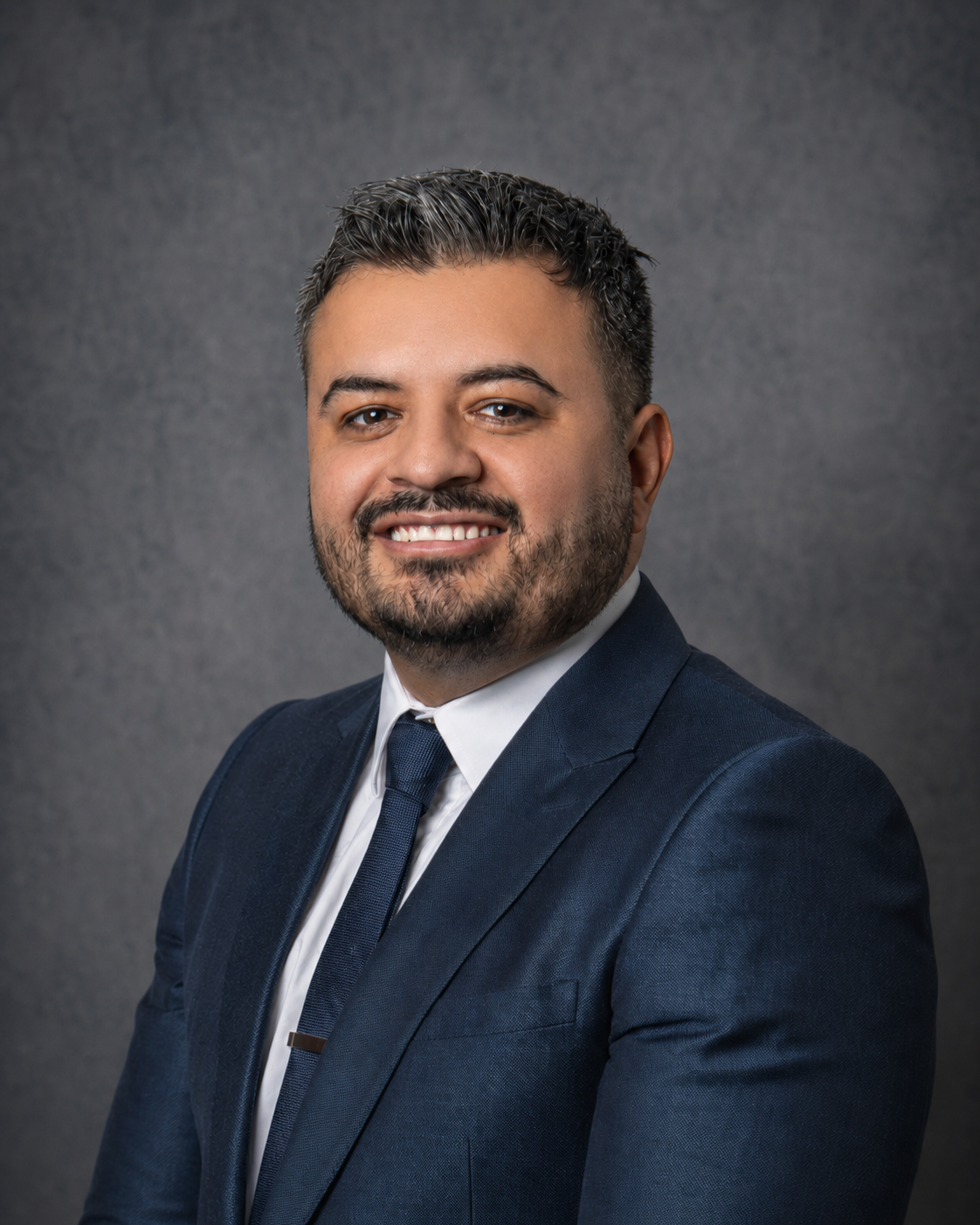
    Jose Antonio Acosta, MD

    Pain Management & Rehabilitation

    Speaks English and Spanish

    Habla español

    • Glendale
    • Encino
    • Valencia
    • +1 more
  • Accepting new patients

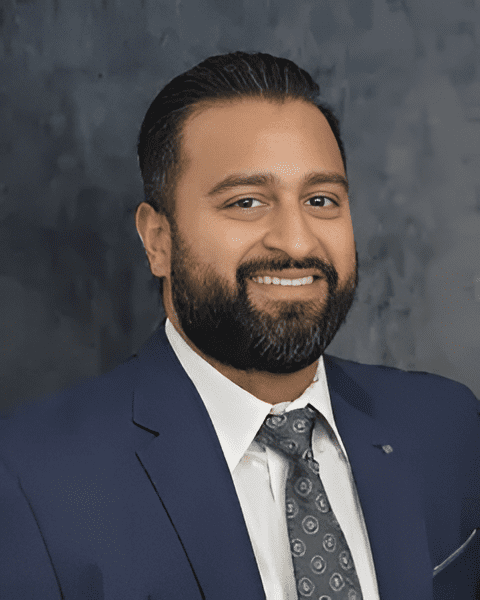
    Raj Desai, MD

    Pain Management & Rehabilitation

    • East Los Angeles
  • Accepting new patients

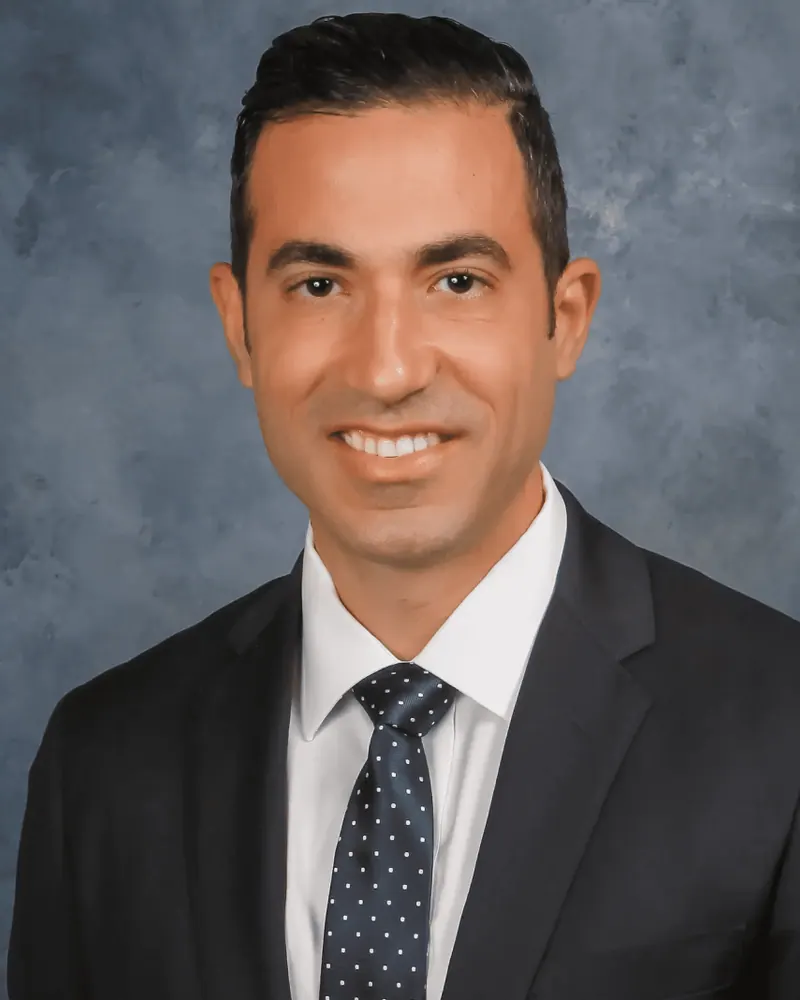
    Jason Kaushik, MD

    Pain Management & Rehabilitation

    • East Los Angeles
  • Accepting new patients

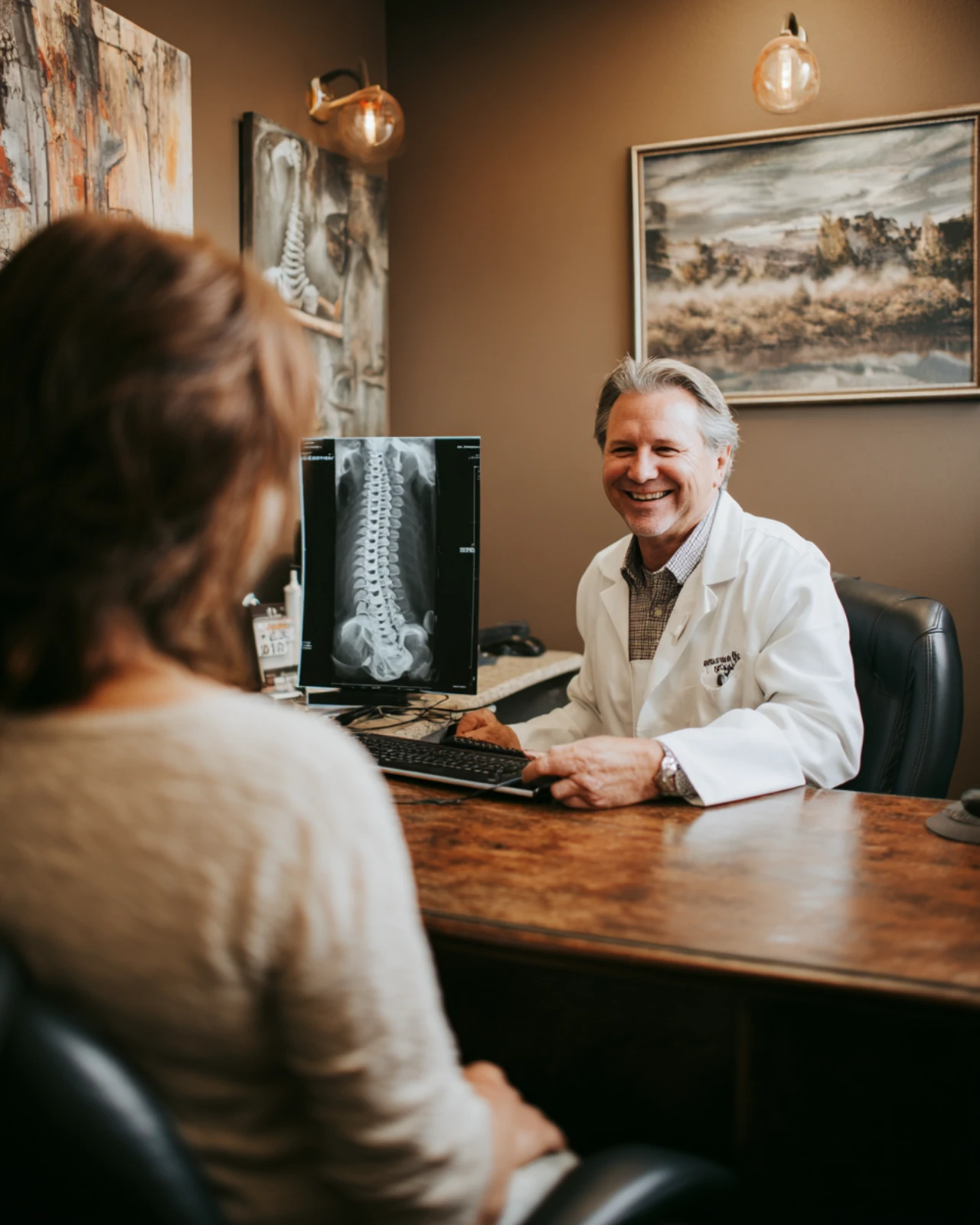
    Siamak Yasmeh, MD

    Spine Surgeon

    • Glendale
    • Santa Fe Springs
    • Tarzana
    • +1 more

Reliable spinal cord stimulation care starts here

With same- or next-day appointments at eight Los Angeles-area offices, you'll never wait weeks or months for answers. Whether you need physical therapy, injections, or surgery, we plan it with you and coordinate each step.

Call or schedule online today to see a spine & neck specialist in Los Angeles.

Find care by body area.

Jump to a nearby condition page and compare treatment paths across the body.

FAQ.

  • The right candidate depends on your diagnosis, prior treatments, and goals. We start with a focused orthopedic exam and review your imaging, and your specialist explains whether spinal cord stimulation is the best next step or whether a different approach makes more sense.

Find out if spinal cord stimulation is right for you.

Same-day and next-day appointments at eight Los Angeles-area offices. Book a visit and meet your specialist.

Booking now
21 specialists · 8 offices
Greater Los Angeles
On-site X-raySame visit
Most insurers acceptedIn-network
Triage chat · AI assisted

Los Angeles Orthopedic Surgery Specialists

You are chatting with an AI assistant, not a doctor or nurse. Messages are processed by Microsoft Azure and sent to our care team by email, so share only what you are comfortable sharing. To talk with a person, call (323) 264-7600. Privacy policy

Assistant: Hi, I'm an AI assistant for Los Angeles Orthopedic Surgery Specialists. I'm not a doctor and can't give medical advice. If this is an emergency, call 911 or go to the nearest ER. Anything you share will go to a LAOSS team member who'll reach out to schedule your visit. What's bothering you today?
The assistant is answering. You can keep typing.

Book a visit

Pick a time online, or leave your details and a team member will call you within 1 business day.

Pick a time online

Opens Zocdoc in a new tab

A phone number or an email is enough.

Or call (323) 264-7600