ACL Reconstruction

Surgery to rebuild a torn knee ligament

ACL reconstruction restores the stability of a knee that's been compromised by a torn anterior cruciate ligament. Our fellowship-trained sports-medicine surgeons use arthroscopic techniques to rebuild the ligament with your own tissue or a donor graft, with the goal of getting you back to cutting, pivoting, and athletic confidence.

ACL Reconstruction at LAOSS orthopedic clinic in Los Angeles: board-certified specialists, same-day appointments

See a specialist this week

Board-certified surgeons and podiatrists across eight Los Angeles area neighborhoods.

Book a visitOr call (323) 264-7600

Key takeaways

  • ACL reconstruction is considered when a torn ACL leaves the knee unstable or giving way, especially if you want to return to cutting and pivoting sports or physically demanding work.
  • Candidacy is confirmed with exam findings and imaging.
  • Most plans include pre-op education and post-op rehab milestones.
  • You get a clear return-to-work and activity timeline.

About ACL reconstruction

ACL reconstruction is part of the knee care we offer at LAOSS. Below, we walk through the anatomy involved, who benefits from this service, what it looks like at our clinics, and the recovery and risk considerations to weigh.

Our specialists move stepwise: start with the least-invasive option that fits, escalate only when it doesn't.

Watch: ACL Reconstruction (Patellar Tendon Graft Technique)

This procedure repairs your knee after a tear of the anterior cruciate ligament (commonly called the "ACL"). This ligament is in the center of the knee. It helps anchor the femur to the tibia. This surgery can allow you to regain normal knee function.

Animations licensed from ViewMedica · Swarm Interactive
Anatomical illustration of the knee showing the femur, tibia, patella, meniscus, and cruciate ligaments
Anatomy of the knee: femur, tibia, patella, meniscus, and ACL/PCL ligaments.

Inside the knee.

The knee is the body's largest hinge joint: it bears your weight, absorbs impact, and lets you walk, run, and pivot.

What we offer with ACL reconstruction.

Common symptoms

  • Comprehensive knee evaluation
  • Same-day imaging at most offices
  • Conservative-first care plan tailored to your goals
  • Coordinated specialty referrals when needed
  • In-network insurance for most major carriers

Common causes

  • New patients exploring an orthopedic complaint
  • Existing LAOSS patients continuing care
  • Patients seeking a second opinion
  • Athletes and active adults of every age

How we start treatment

When you book with LAOSS for ACL reconstruction, here's the flow:

  • Initial visit: detailed history, focused exam, on-site X-ray when needed
  • Diagnosis & plan: most patients leave with imaging-confirmed answers and a written treatment plan
  • Treatment: whether that's PT, an injection, or surgery, your specialist stays involved at every step
  • Follow-up: measured benchmarks, direct line to your care team, plan adjustments as recovery progresses

Knee care, conservative-first.

We start with the least-invasive option that fits, and escalate only when it doesn't.

Conservative care
Step 1

Non-surgical care for an ACL tear

Some people with a torn ACL, especially those whose activities do not involve cutting or pivoting, do well without surgery.

  • Physical therapy to restore motion and strengthen the quadriceps and hamstrings
  • Ice, compression, and anti-inflammatory medication for early swelling
  • A functional knee brace for activity
  • Activity changes that avoid cutting, pivoting, and jumping
  • Prehabilitation to regain full motion before any surgery
Surgical care
When needed

ACL reconstruction options

Arthroscopic surgery, performed by board-certified orthopedic surgeons, replaces the torn ligament with a tendon graft.

  • ACL reconstruction with a patellar tendon graft from your own knee
  • ACL reconstruction with a hamstring or quadriceps tendon graft
  • ACL reconstruction with a donor graft (allograft)
  • Meniscus repair or cartilage treatment at the same surgery when needed
  • Staged physical therapy with return-to-sport testing

Why experience matters.

Why experience matters

Knee care is highly technique-dependent. Volume, training, and judgment together determine the outcome you feel six months later.

  • Precise diagnosis from imaging and exam
  • Conservative-first care that avoids unnecessary surgery
  • Technique refined over thousands of cases
  • On-site imaging + coordinated PT through your in-network provider

The LAOSS approach

Our knee specialists move stepwise: start with the least-invasive option that fits, escalate only when it doesn't.

  • Same-day imaging at most offices
  • PT coordinated in your insurance network
  • Board-certified specialists performing the procedures themselves
  • Direct access to your specialist between visits

Am I a candidate?

If most of these match your situation, an evaluation with a knee specialist is the next step.

You may be

You may be a candidate if

These signs typically point toward this service being a good fit.

  • A torn ACL confirmed by exam and MRI
  • A knee that gives way or feels unstable when you pivot, cut, or use stairs
  • A goal of returning to cutting, pivoting, or jumping sports, or to physically demanding work
  • Instability that continues despite physical therapy and bracing
  • Another knee injury, such as a meniscus tear, along with the ACL tear
Evaluation

What evaluation includes

Your first visit is built to give you an answer the same day, not just another referral.

  • Detailed history: onset, mechanism, what makes it better or worse
  • Hands-on exam focused on the affected joint or region
  • On-site imaging at most offices (X-ray, ultrasound)
  • Clear plan with options ranging from conservative to surgical
  • Same-day or next-day scheduling for any follow-up tests

ImportantSeek urgent evaluation for sudden severe pain, a knee that locks or cannot bear weight, numbness in the leg or foot, or any sign of infection (fever, increasing redness or swelling).

Your knee recovery roadmap.

Recovery is rarely a straight line, but a clear plan with measurable milestones makes the path predictable.

  1. Days 0 to 14

    Right after care

    In the first two weeks we focus on protecting the knee, calming inflammation, and restoring basic motion.

    • Activity modification with clear do/don't guidance
    • Ice, elevation, and pain control as needed
    • Gentle range-of-motion within safe limits
    • Follow-up scheduled to track healing
  2. Weeks 2 to 8

    Rehabilitation

    Targeted physical therapy rebuilds strength, mobility, and confidence in the knee.

    • Progressive strengthening and neuromuscular work
    • Manual therapy and soft-tissue treatment
    • Restoring full knee extension, a normal walking pattern, and quadriceps control
    • Coordinated PT through your in-network provider
  3. Months 2+

    Long-term care

    From month two on, strengthening and agility work continue for many months. Return to cutting and pivoting sports is based on strength and movement testing, not a fixed date.

    • Return-to-activity plan with measured benchmarks
    • Home program tailored to your sport or job
    • Maintenance visits or imaging if symptoms change
    • Direct line back to your specialist if needed
Risks & considerations

What to weigh before you decide.

We talk through the risks and benefits with every patient. Informed consent is a conversation, not a form.

General

General considerations

Every orthopedic intervention carries a small set of standard risks. We screen, prepare, and monitor for these on every patient.

  • Infection (rare with modern technique and prophylaxis)
  • Bleeding or bruising at the treatment site
  • Reaction to anesthesia or medications
  • Need for additional procedures in some cases
Specific

Knee considerations

Some risks are tied to the structures we're treating in the knee. We discuss these in detail at your visit so you can weigh them against the benefits.

  • Temporary stiffness or weakness during recovery
  • Incomplete pain relief in a small percentage of cases
  • Nerve or vessel irritation near the treatment area
  • Need for follow-up therapy to fully restore function

Meet our knee specialists

At LAOSS, our knee specialists are board-certified and treat these problems every day. From minimally invasive techniques to coordinating your rehab, our physicians bring decades of experience to every case. We have cared for Los Angeles patients since 2007, with one goal for each: less pain, better movement, and a return to the activities you love.

Specialists, not generalists.

View all providers
Compare up to 34 providers
  • Accepting new patients

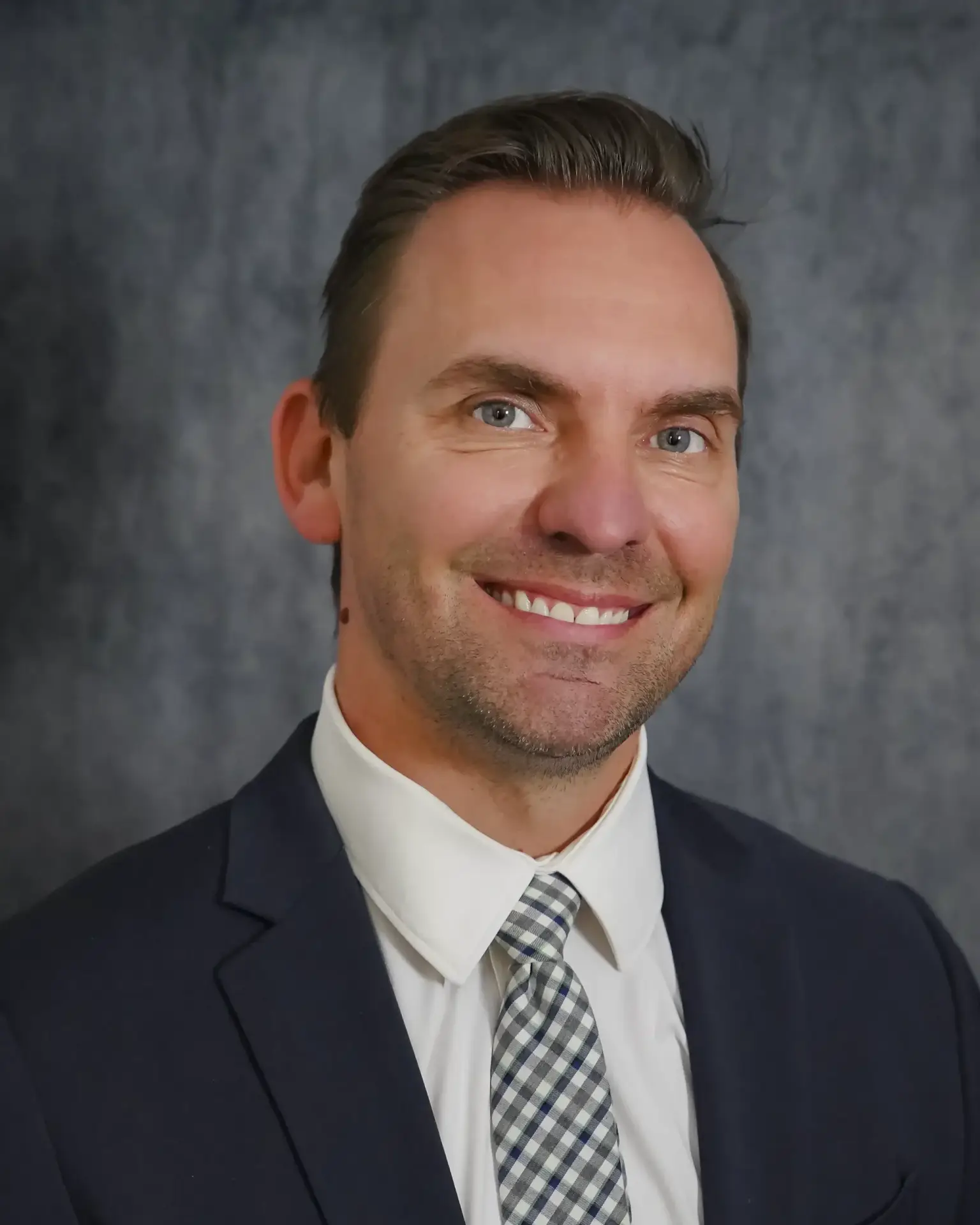
    Matthew Longacre, MD

    Sports Medicine · Knee

    • Glendale
    • Encino
    • Valencia
    • +1 more
  • Accepting new patients

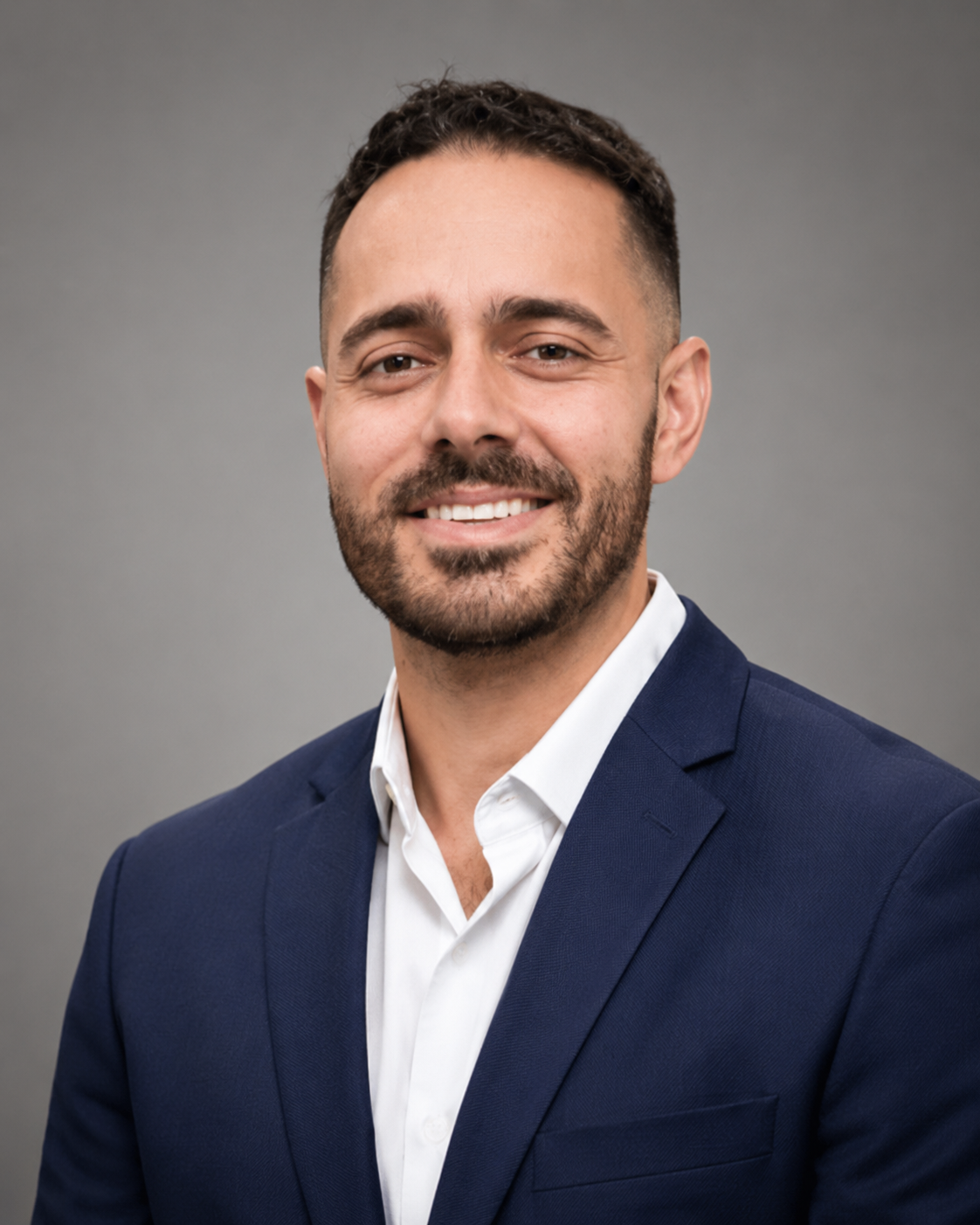
    Hayk Stepanyan, MD

    Total Joint & Sports Medicine

    • Glendale
    • Santa Fe Springs
    • East Los Angeles
  • Accepting new patients

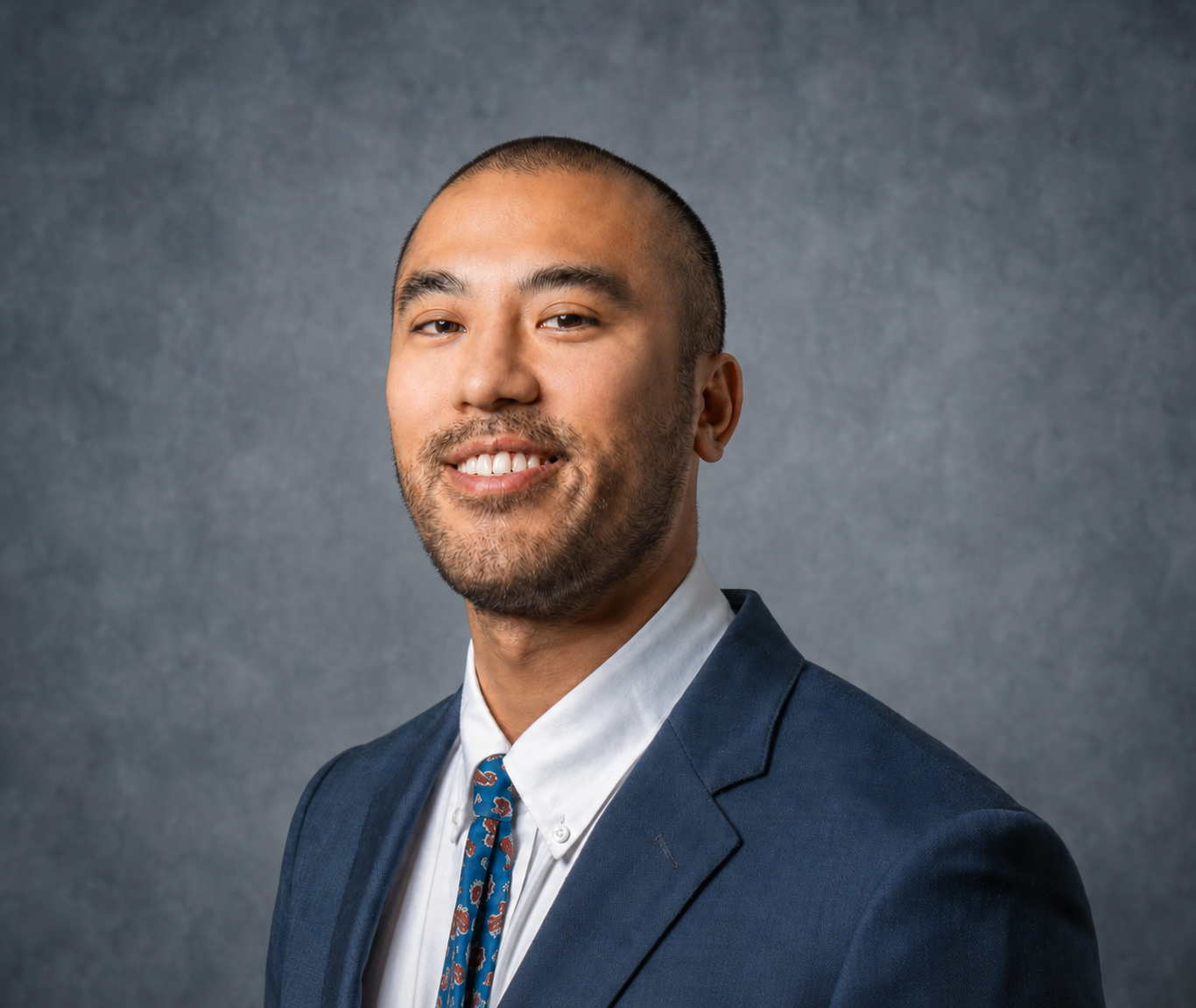
    Jayson Lian, MD

    Sports Medicine Surgeon

    • Encino
    • Valencia
    • Tarzana
  • Accepting new patients

    Leah Cyran, MD

    Sports Medicine Surgeon

    • Glendale
    • Wilshire
    • East Los Angeles

Reliable ACL reconstruction care starts here

With same- or next-day appointments at eight Los Angeles-area offices, you'll never wait weeks or months for answers. Whether you need physical therapy, injections, or surgery, we plan it with you and coordinate each step.

Call or schedule online today to see a knee specialist in Los Angeles.

Find care by body area.

Jump to a nearby condition page and compare treatment paths across the body.

From our Google reviews

What patients say

Read all 9,626 reviews on Google
  • “Dr. Perrone, his team, and the staff are all very knowledgeable with superb bedside manner. My ACL surgery was very successful with very minimal pain. Highly recommended!”

    Emil M.Google reviewEast Los AngelesMar 2023

Selected 5-star reviews from Google, shown as written. Individual results vary.

Common questions

You asked. We answered.

  • It is usually recommended when a torn ACL makes the knee give way or feel unstable, when you want to return to cutting, pivoting, or jumping sports or physically demanding work, or when another structure such as the meniscus is also injured. An exam and MRI confirm the tear.

Don't wait on pain.

Ready to rebuild your knee? Schedule your ACL consultation today at Los Angeles Orthopedic Surgery Specialists.
Booking now
21 specialists · 8 offices
Greater Los Angeles
On-site X-raySame visit
Most insurers acceptedIn-network
Triage chat · AI assisted

Los Angeles Orthopedic Surgery Specialists

You are chatting with an AI assistant, not a doctor or nurse. Messages are processed by Microsoft Azure and sent to our care team by email, so share only what you are comfortable sharing. To talk with a person, call (323) 264-7600. Privacy policy

Assistant: Hi, I'm an AI assistant for Los Angeles Orthopedic Surgery Specialists. I'm not a doctor and can't give medical advice. If this is an emergency, call 911 or go to the nearest ER. Anything you share will go to a LAOSS team member who'll reach out to schedule your visit. What's bothering you today?
The assistant is answering. You can keep typing.

Book a visit

Pick a time online, or leave your details and a team member will call you within 1 business day.

Pick a time online

Opens Zocdoc in a new tab

A phone number or an email is enough.

Or call (323) 264-7600