DEXA Scan (Bone Density)

A DEXA scan measures bone mineral density to diagnose osteoporosis and assess fracture risk. Quick, painless, and recommended for women 65 and older, younger postmenopausal women with risk factors, men 70 and older, and adults who have broken a bone after age 50. Same-day or next-week evaluations across eight LA-area offices.
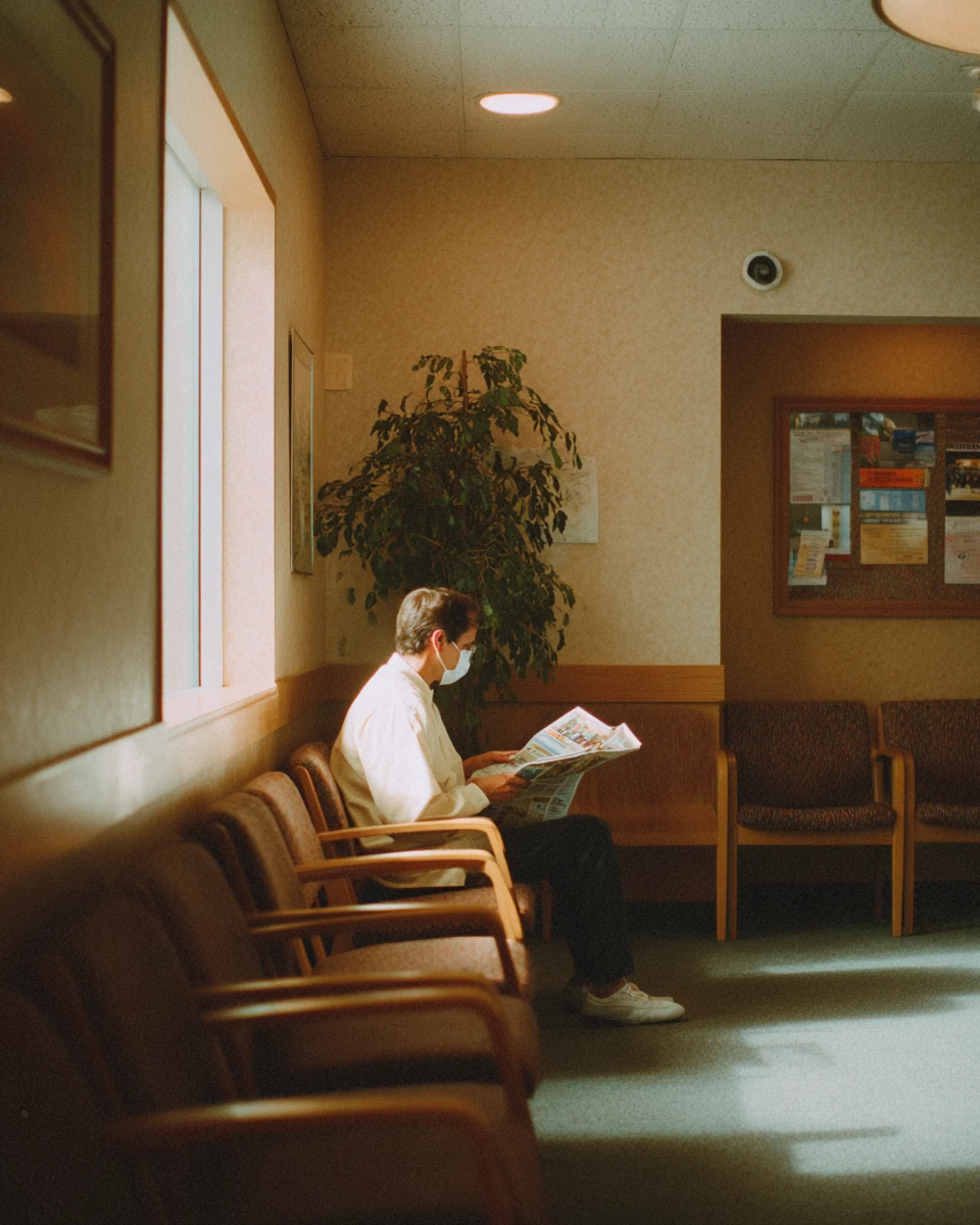
DEXA Scan at LAOSS orthopedic clinic in Los Angeles: board-certified specialists, same-day appointments

See a specialist this week

Board-certified surgeons and podiatrists across eight Los Angeles area neighborhoods.

Book a visitOr call (323) 264-7600

Key takeaways

  • A DEXA (bone density) scan is part of the full diagnostic toolkit our LAOSS specialists use every day.
  • A DEXA scan measures bone mineral density to diagnose osteoporosis and assess fracture risk. Quick, painless, and recommended for women 65 and older, younger postmenopausal women with risk factors, men 70 and older, and adults who have broken a bone after age 50.
  • Finding low bone density early lets treatment start before a fracture happens.
  • Same-day appointments available across eight Los Angeles-area offices.

About DEXA bone density scans

A DEXA (bone density) scan is part of the orthopedic care we offer at LAOSS. Below, we walk through what the scan measures, who should have one, and what to expect.

The scan is quick and painless, and the results help your specialist decide whether your bones need treatment.

Watch: Bone Density Scan (DXA or DEXA)

This is a type of x-ray that measures your bone density. Your doctor may recommend it if you're at risk for osteoporosis (that's a weakening of your bones). This scan is a quick and easy way to check for signs of bone density loss.
Animations licensed from ViewMedica · Swarm Interactive
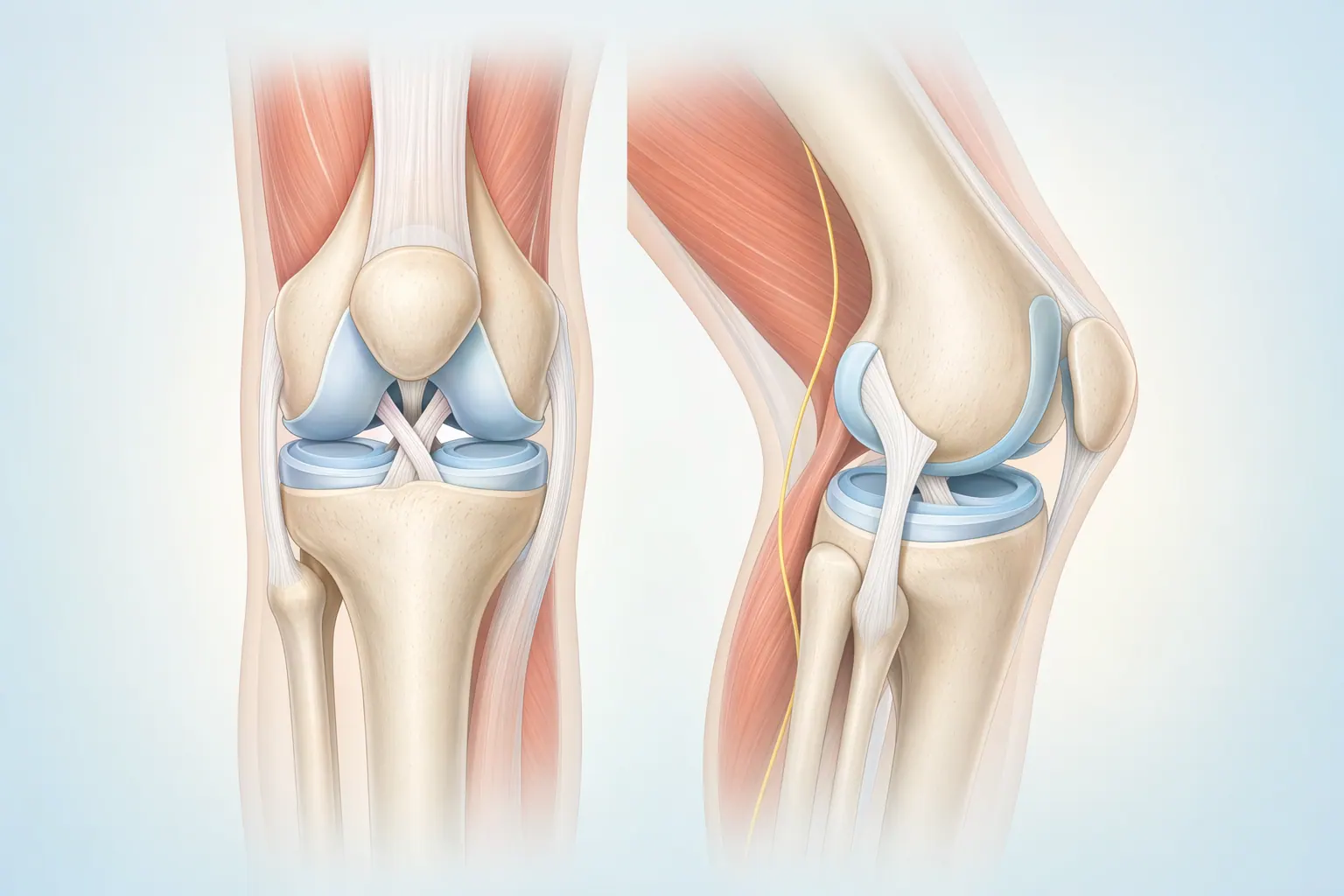
Anatomical illustration of a joint showing cartilage, ligaments, and surrounding muscle
General orthopedic anatomy: joints, ligaments, tendons, and muscle.

Inside the musculoskeletal system.

Bone is living tissue that is constantly broken down and rebuilt. With age, and especially after menopause, bone can be lost faster than it is replaced, leaving it thinner and easier to break. A DEXA scan measures how dense your bones are, usually at the hip and lower spine.

What we offer with a DEXA bone density scan.

Common symptoms

  • Comprehensive orthopedic evaluation
  • Same-day imaging at most offices
  • Conservative-first care plan tailored to your goals
  • Coordinated specialty referrals when needed
  • In-network insurance for most major carriers

Common causes

  • New patients exploring an orthopedic complaint
  • Existing LAOSS patients continuing care
  • Patients seeking a second opinion
  • Athletes and active adults of every age

How we start treatment

When you book with LAOSS for a DEXA (bone density) scan, here's the flow:

  • Initial visit: detailed history, focused exam, on-site X-ray when needed
  • Diagnosis & plan: most patients leave with imaging-confirmed answers and a written treatment plan
  • Treatment: if your scan shows low bone density, your specialist reviews options such as calcium and vitamin D, exercise, and medication
  • Follow-up: measured benchmarks, direct line to your care team, plan adjustments as recovery progresses

Orthopedic care, conservative-first.

We start with the least-invasive option that fits, and escalate only when it doesn't.

Conservative care
Step 1

If your scan shows low bone density

Most people with low bone density are treated without surgery, with the goal of preventing a first fracture.

  • Calcium and vitamin D through diet or supplements
  • Weight-bearing and resistance exercise
  • Balance training and fall prevention at home
  • Prescription medication to slow bone loss or build bone, when indicated
  • Follow-up DEXA scans to track your bone density
Surgical care
When needed

If a weakened bone breaks

Surgery treats the fracture, and treating the underlying bone loss helps prevent the next one.

  • Fracture fixation with plates, screws, or rods
  • Hip repair or replacement after a hip fracture
  • Kyphoplasty for a painful spinal compression fracture
  • Bone health follow-up after any fragility fracture

Why experience matters.

Why experience matters

Orthopedic care is highly technique-dependent. Volume, training, and judgment together determine the outcome you feel six months later.

  • Precise diagnosis from imaging and exam
  • Conservative-first care that avoids unnecessary surgery
  • Technique refined over thousands of cases
  • On-site imaging + coordinated PT through your in-network provider

The LAOSS approach

Our orthopedic specialists move stepwise: start with the least-invasive option that fits, escalate only when it doesn't.

  • Same-day imaging at most offices
  • PT coordinated in your insurance network
  • Board-certified specialists performing the procedures themselves
  • Direct access to your specialist between visits

Am I a candidate?

If most of these match your situation, an evaluation with a orthopedic specialist is the next step.

You may be

You may be a candidate if

These signs typically point toward this service being a good fit.

  • You are a woman 65 or older, or a man 70 or older
  • You are past menopause and have risk factors such as low body weight, smoking, or a parent who broke a hip
  • You broke a bone after age 50, especially from a minor fall
  • You take long-term steroids or another medication that can weaken bone
  • You have lost height, or an X-ray showed thin bone or a spinal compression fracture
Evaluation

What evaluation includes

Your first visit is built to give you an answer the same day, not just another referral.

  • Detailed history: onset, mechanism, what makes it better or worse
  • Hands-on exam focused on the affected joint or region
  • On-site imaging at most offices (X-ray, ultrasound)
  • Clear plan with options ranging from conservative to surgical
  • Same-day or next-day scheduling for any follow-up tests

ImportantSeek urgent evaluation for sudden severe pain, numbness, progressive weakness, or any sign of infection (fever, increasing redness or swelling).

What to expect with a DEXA scan.

A DEXA scan needs no recovery. Here is what happens before, during, and after the test.

  1. Before

    Getting ready

    Very little preparation is needed. You can eat and take most medications as usual.

    • Hold calcium supplements before the scan, as your care team instructs
    • Wear comfortable clothing without metal zippers, snaps, or buckles
    • Tell the technologist if you could be pregnant
    • Mention any recent barium study or contrast scan, which can affect results
  2. During

    The scan

    You lie still on a padded table while a scanner arm passes over your hip and lower spine. The scan is painless.

    • No needles, injections, or sedation
    • A very low dose of X-ray
    • Most scans are finished within minutes
    • You can drive yourself home and return to normal activity right away
  3. After

    Results and next steps

    Your results are reported as a T-score that compares your bone density with that of a healthy young adult. Your specialist explains what the number means for your fracture risk.

    • Normal: a T-score of minus 1.0 or higher
    • Low bone density (osteopenia): between minus 1.0 and minus 2.5
    • Osteoporosis: minus 2.5 or lower
    • Repeat scans, at an interval your specialist recommends, track changes over time
Risks & considerations

What to weigh before you decide.

We talk through the risks and benefits with every patient. Informed consent is a conversation, not a form.

General

General considerations

A DEXA scan is a noninvasive test. There are no needles, incisions, or anesthesia.

  • A very small dose of radiation, less than a standard chest X-ray
  • Not recommended during pregnancy
  • Recent barium or contrast studies can delay the scan
  • Additional testing may be needed if results are unclear
Specific

What can affect your results

Some factors make bone density harder to measure accurately. Your specialist takes these into account when reading the scan.

  • Spine arthritis or old compression fractures, which can make spine readings look higher than they are
  • Metal implants such as a hip replacement or spinal hardware in the scanned area
  • Different machines, so follow-up scans are best done on the same one
  • Bone density is only one part of fracture risk; age, falls, and prior fractures also matter

Meet our orthopedic specialists

At LAOSS, our orthopedic specialists are board-certified and treat these problems every day. From minimally invasive techniques to coordinating your rehab, our physicians bring decades of experience to every case. We have cared for Los Angeles patients since 2007, with one goal for each: less pain, better movement, and a return to the activities you love.

Specialists, not generalists.

View all providers
Compare up to 34 providers
  • Accepting new patients

    Kevin Pelton, MD

    Orthopedic Surgeon · Founder

    • East Los Angeles
    • Encino
    • Valencia
  • Accepting new patients

    David Barba, MD

    Hip & Knee Surgeon

    Speaks English and Spanish

    Habla español

    • Wilshire
    • East Los Angeles
  • Accepting new patients

    Erik Dworsky, MD

    Hip & Knee Surgeon

    Speaks English and Spanish

    Habla español

    • Santa Fe Springs
  • Accepting new patients

    Jose Antonio Acosta, MD

    Pain Management & Rehabilitation

    Speaks English and Spanish

    Habla español

    • Glendale
    • Encino
    • Valencia
    • +1 more

Reliable bone density testing starts here

With same- or next-day appointments at eight Los Angeles-area offices, you'll never wait weeks or months for answers. Whether you need physical therapy, injections, or surgery, we plan it with you and coordinate each step.

Call or schedule online today to see an orthopedic specialist in Los Angeles.

Find care by body area.

Jump to a nearby condition page and compare treatment paths across the body.

FAQ.

  • A DEXA scan is generally recommended for women 65 and older, men 70 and older, younger postmenopausal women and men over 50 who have risk factors, and anyone who has broken a bone after age 50. It is also used for people who take long-term steroids or have a condition that weakens bone. Your specialist will tell you whether a scan makes sense for you.

Find out if a DEXA bone density scan is right for you.

Same-day and next-day appointments at eight Los Angeles-area offices. Book a visit and meet your specialist.
Booking now
21 specialists · 8 offices
Greater Los Angeles
On-site X-raySame visit
Most insurers acceptedIn-network
Triage chat · AI assisted

Los Angeles Orthopedic Surgery Specialists

You are chatting with an AI assistant, not a doctor or nurse. Messages are processed by Microsoft Azure and sent to our care team by email, so share only what you are comfortable sharing. To talk with a person, call (323) 264-7600. Privacy policy

Assistant: Hi, I'm an AI assistant for Los Angeles Orthopedic Surgery Specialists. I'm not a doctor and can't give medical advice. If this is an emergency, call 911 or go to the nearest ER. Anything you share will go to a LAOSS team member who'll reach out to schedule your visit. What's bothering you today?
The assistant is answering. You can keep typing.

Book a visit

Pick a time online, or leave your details and a team member will call you within 1 business day.

Pick a time online

Opens Zocdoc in a new tab

A phone number or an email is enough.

Or call (323) 264-7600